2026-10-06 · Frank Kowalski
Winter Sewer Line Clogs in Chicago 60634
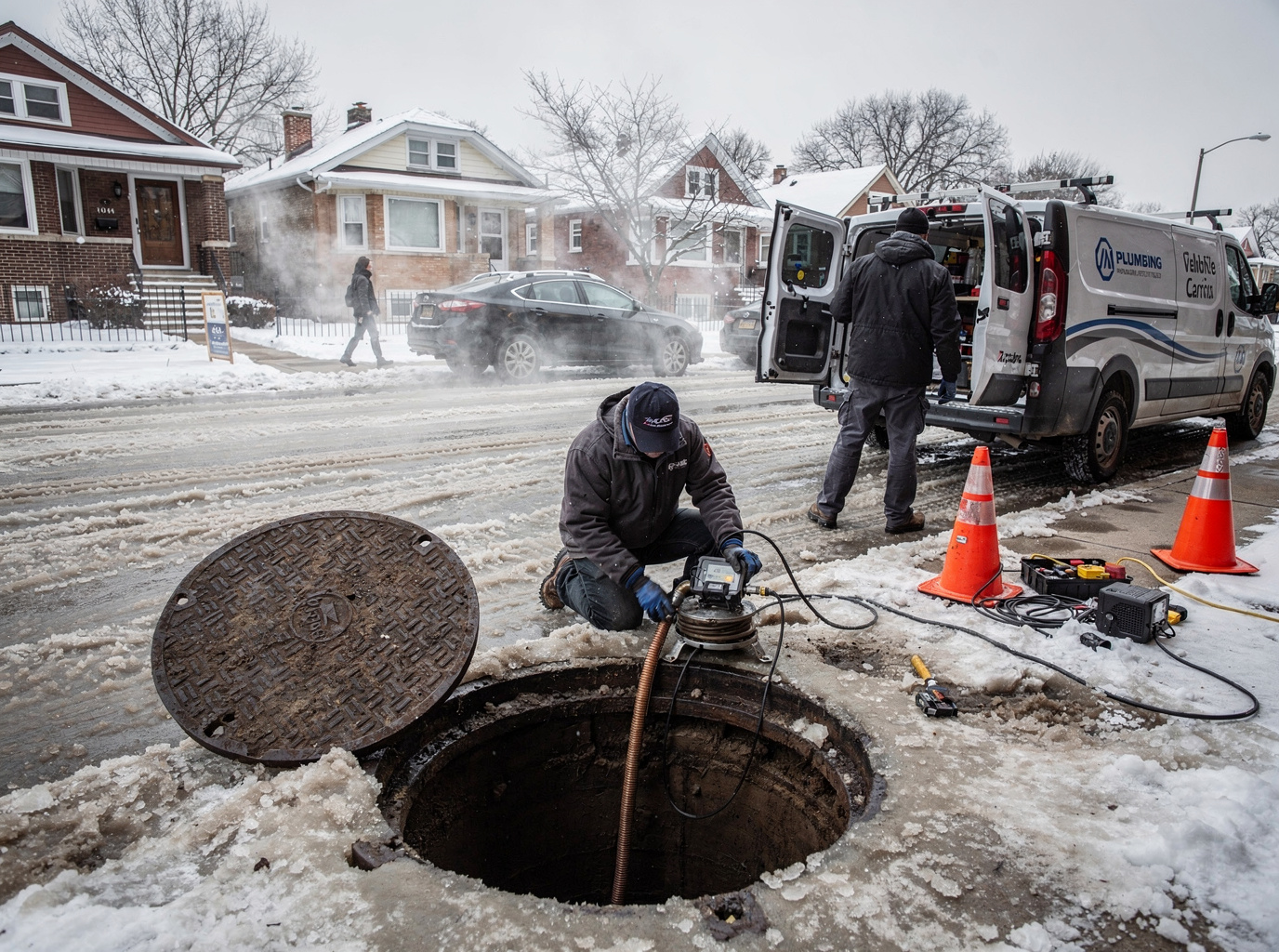
Yes, winter significantly increases the likelihood of sewer line clogs in Chicago 60634 due to a combination of freezing temperatures, increased indoor water usage, and the vulnerability of older sewer infrastructure common in neighborhoods like Portage Park and Jefferson Park. The cold weather exacerbates existing issues such as cracks, tree root intrusions, and grease buildup, making them more prone to blockages and potential backups when the ground freezes and thaws. Homeowners in the 60634 area, particularly those with homes built before the 1970s, should be especially vigilant during the colder months, as their clay or cast iron pipes are more susceptible to these winter-related stresses.
How Freezing Temperatures Affect Sewer Lines
The most direct impact of Chicago's harsh winter temperatures on sewer lines is the expansion and contraction of the ground, known as frost heave. As the soil around your pipes freezes, it expands, putting immense pressure on the sewer lines. This pressure can cause existing cracks to widen, joints to separate, or even lead to new fractures in older, brittle pipes. When the ground thaws, it can shift, further stressing the pipes and potentially creating "bellies" or low spots where waste can accumulate and form blockages. This cycle of freezing and thawing is particularly damaging to the clay sewer pipes prevalent in many 60634 homes, making them more susceptible to problems like a collapsed sewer line or persistent blockages.
Beyond the ground movement, the cold can also affect the contents within the pipes. While flowing wastewater is generally warm enough to prevent freezing inside the main sewer line, slow-moving water or accumulated grease in sections with poor drainage can freeze, creating an ice blockage. This is especially true for lines that are shallower than code or have minimal slope. These ice formations act as a barrier, catching debris, fats, oils, and grease (FOG), leading to significant clogs that can cause sewage to back up into your home. The combination of external pressure and internal blockages makes winter a prime time for sewer line emergencies.
Common Winter Clog Culprits in 60634
Several factors contribute to winter sewer line clogs, many of which are amplified by the colder weather and typical holiday season activities. One major culprit is the increased use of fats, oils, and grease (FOG) from cooking. Holiday meals often involve more cooking and baking, leading to more FOG being poured down drains. While liquid when warm, FOG solidifies rapidly in cold pipes, clinging to pipe walls and catching other debris like food scraps and paper products. This buildup narrows the pipe's diameter, eventually leading to a complete blockage. Even small amounts of FOG can accumulate over time, and the cold pipes accelerate this process.
Another significant issue, particularly in established neighborhoods like Norwood Park and Dunning, is tree root intrusion. Trees, even dormant ones, continue to seek moisture. During dry spells in winter, or when the ground is frozen, tree roots are drawn to the relatively warmer, nutrient-rich wastewater inside sewer pipes. They can penetrate tiny cracks or loose joints, and once inside, they grow rapidly, forming dense masses that trap debris and cause severe blockages. This problem is so prevalent that we've dedicated a whole article to it: How Tree Roots Affect Sewer Lines on Chicago's West Side. The combination of root intrusion and solidified grease creates a formidable barrier that often requires professional intervention to clear.
Signs of a Winter Sewer Line Clog
Recognizing the early warning signs of a sewer line clog can save you from a full-blown sewage backup. During winter, these signs might become more pronounced or appear suddenly due to the added stress on your system. One of the most common indicators is slow drains throughout your home, affecting multiple fixtures simultaneously. If your toilet, shower, and kitchen sink are all draining sluggishly, it's a strong sign of a main sewer line issue rather than a localized clog. You might also notice gurgling sounds coming from drains or toilets, especially after flushing or running water elsewhere in the house. This gurgling indicates trapped air in the plumbing system, often caused by a blockage preventing proper water flow.
Another tell-tale sign is water backing up into unexpected places. For instance, flushing a toilet might cause water to back up into your shower or bathtub. This cross-contamination is a clear indication that the main sewer line is obstructed and wastewater has nowhere else to go. Foul odors emanating from drains, particularly strong sewage smells, also point to a blockage where waste is accumulating and decomposing. If you observe any of these symptoms, especially during the colder months, it's crucial to act quickly. Ignoring these warnings can lead to significant water damage, health hazards, and expensive repairs, potentially requiring an emergency sewer line repair.
Prevention and Professional Solutions
Preventing winter sewer line clogs starts with conscious habits. The most effective measure is to be mindful of what goes down your drains. Avoid pouring fats, oils, and grease (FOG) down the sink; instead, collect them in a container and dispose of them in the trash. Use strainers in all your sinks to catch food scraps and hair, preventing them from entering your pipes. For homes in areas like Harwood Heights or Norridge with mature trees, consider a proactive sewer camera inspection every few years to identify potential root intrusions before they cause a major blockage. This allows for early intervention, such as hydro-jetting, to clear roots and buildup.